The University actively helps the local community understand the importance of energy efficiency and clean energy. Related activities include:
Resilient Disaster Preparedness Ark—Energy Conservation and Sustainable Development Initiative
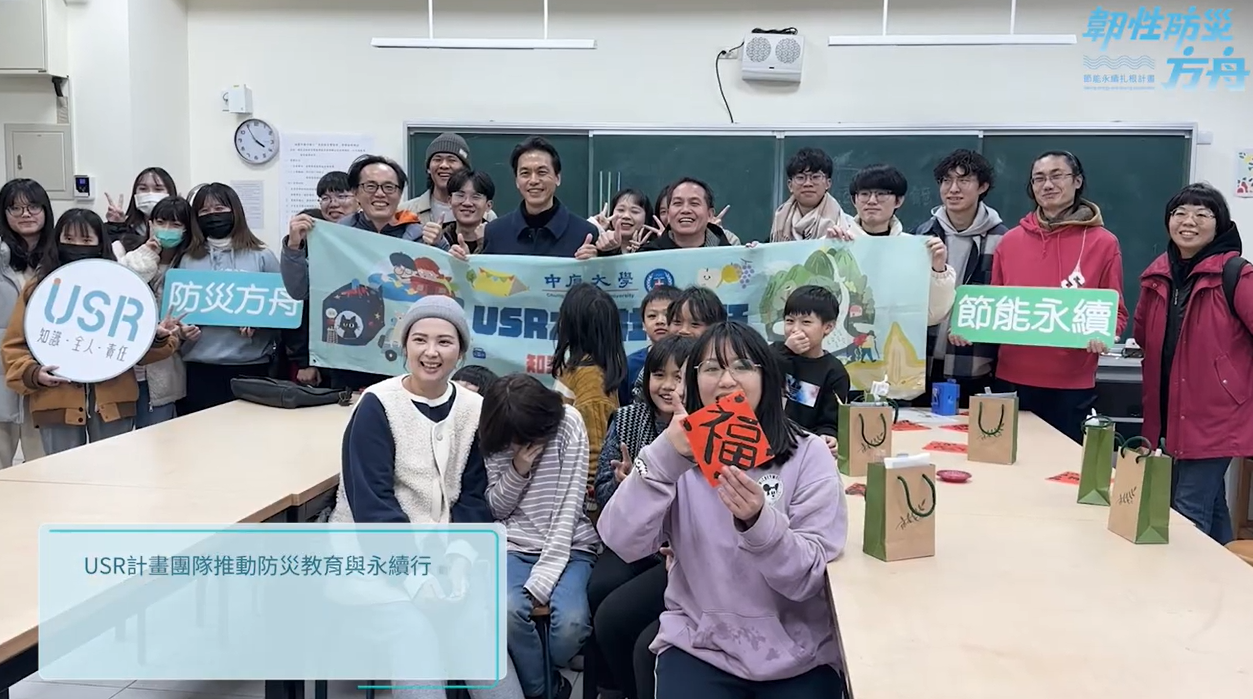
Chung Yuan Christian University’s USR project, “Resilient Disaster Preparedness Ark—Energy Conservation and Sustainable Development Initiative,” works with Luofu Junior and Senior High School, a remote school in the mountains of Fuxing District, Taoyuan City. The project addresses the climate challenges that remote areas face because of their geography and limited infrastructure.
The project drew on courses from departments such as Electrical Engineering to introduce smart energy-saving diagnostic technology. Students were guided in diagnosing campus electricity use and evaluating equipment efficiency, and they combined their own energy-saving proposals with the technical solutions implemented by the project team.
In practice, Luofu High School cut its total campus energy consumption by 6.2% in September compared with the same period, showing that coursework and technical application can produce real energy savings.

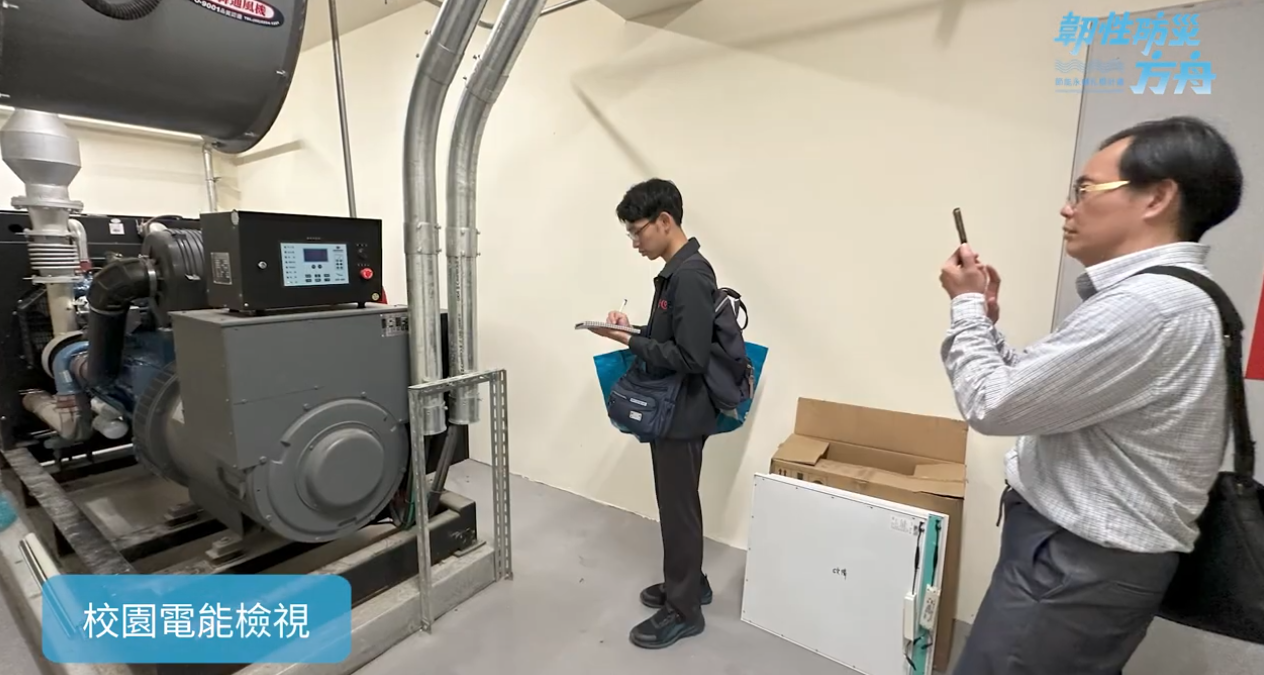
Under the “Resilient Disaster Preparedness Ark” USR initiative, CYCU ran energy and disaster preparedness workshops at Luofu High School. With diagnostic tools for energy optimization and tailored curricula, CYCU helps local communities adopt renewable technologies, build energy management systems, and understand energy efficiency and clean energy, which strengthens climate resilience and social well-being in remote areas.
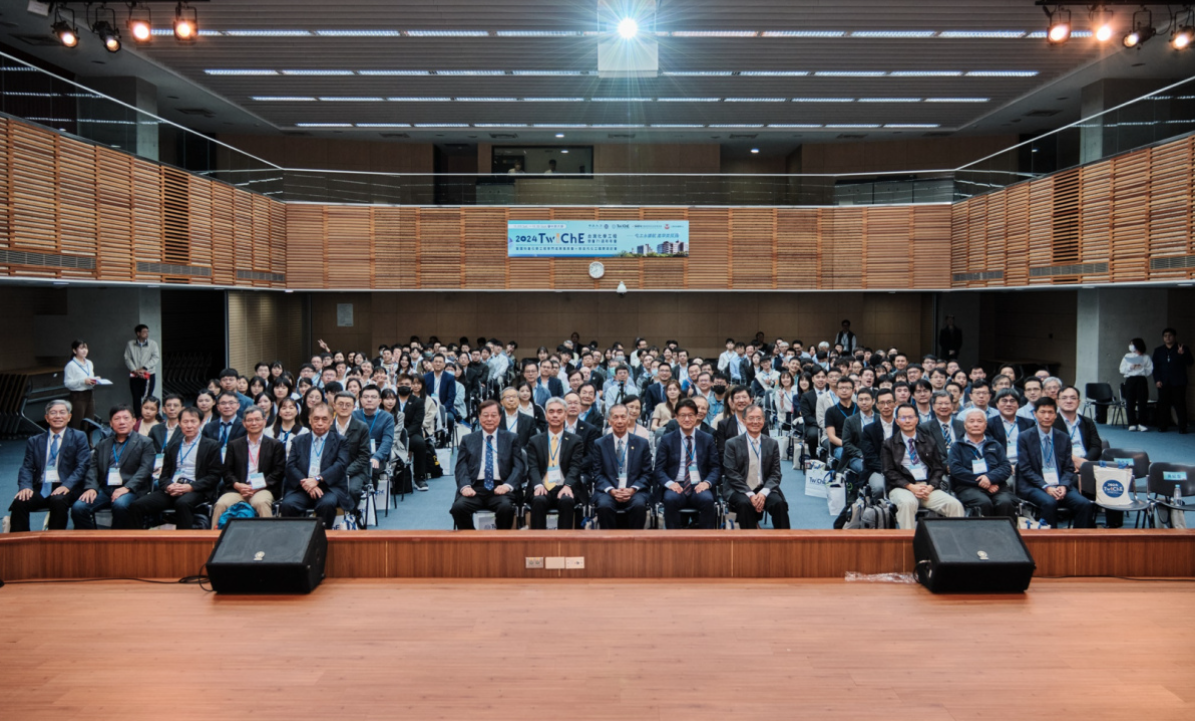
71st TwIChE Annual Meeting at CYCU: Bridging Academia and Industry for Green Transition and 100% Renewable Energy Commitments
The 71st Annual Meeting of the Taiwan Institute of Chemical Engineers (TwIChE) was held at Chung Yuan Christian University (CYCU) under the theme “Sustaining Chemical Engineering, Soaring with Academia and Industry.” The program included NSTC research showcases, forums, and an international symposium. Responding to climate and energy challenges, the conference reaffirmed a commitment to promoting a 100% renewable energy transition and green chemical processes. Through cross-sector dialogue and international exchange, industry leaders and academics discussed low-carbon innovation, circular economy models, and clean energy strategies in support of sustainable chemical engineering and net-zero goals.